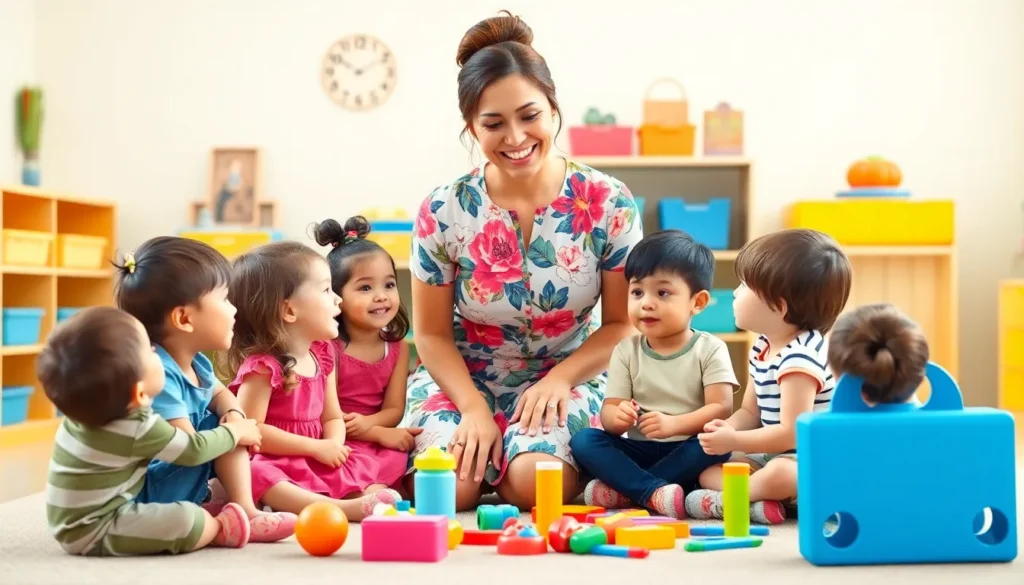
Unlocking the minds of preschoolers can feel like trying to catch a greased pig at a county fair. But fear not! Open-ended questions are the secret sauce to sparking creativity and critical thinking in young children. Instead of the usual “yes” or “no” answers, these questions invite little ones to share their thoughts and imaginations, turning everyday conversations into delightful adventures.
Importance Of Open Ended Questions
Open-ended questions play a crucial role in the development of preschoolers. These questions stimulate thinking and provide children with opportunities to express themselves.
Encouraging Critical Thinking
Critical thinking emerges when preschoolers engage with open-ended questions. They analyze, evaluate, and form judgments as they respond. Questions like “What do you think would happen if…?” prompt children to consider various possibilities. They learn to explore different angles, leading to deeper understanding. Cognitive skills sharpen as they articulate their ideas. Children develop reasoning abilities when discussing their thoughts, allowing them to connect concepts.
Fostering Creativity
Creativity flourishes through open-ended questions. These inquiries invite preschoolers to imagine and create unique scenarios. Asking, “How would you build a castle?” encourages them to envision their designs. Children express their thoughts freely, resulting in imaginative play. This type of engagement enhances their storytelling skills. In turn, they develop confidence in sharing ideas, pushing the boundaries of their creativity. Choosing questions that spark interest helps cultivate an environment rich in innovation.
Types Of Open Ended Questions
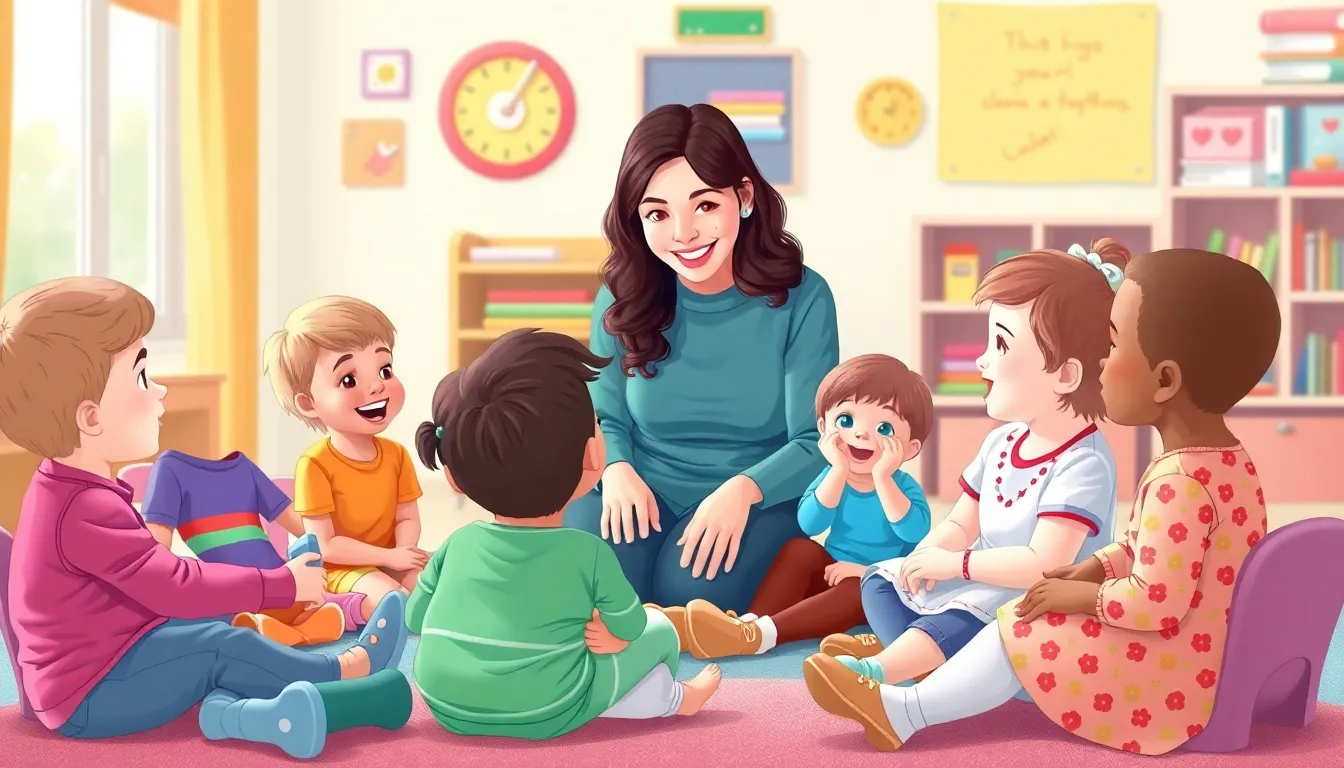
Open-ended questions come in various types, catering to different aspects of a child’s experience and development. These questions encourage preschoolers to elaborate and engage in deeper conversations.
Questions About Feelings
Questions about feelings facilitate emotional intelligence in young children. For example, asking, “How did that make you feel?” encourages children to articulate their emotions. Exploring feelings enhances their ability to recognize emotions in themselves and others. Moreover, phrases like, “What do you think made you happy today?” prompt reflections on specific experiences linked to joy. Questions such as, “Can you tell me about a time when you felt scared?” allow them to share personal experiences and provide insight into their emotional landscape. These inquiries foster a safe space for children to express themselves, reinforcing their understanding of emotions.
Questions About Experiences
Questions about experiences help children recount moments and develop storytelling skills. Asking, “What was your favorite part of the park today?” invites them to elaborate on specific events. Engagement often increases with, “Can you describe what you saw at the zoo?” This encourages detail-oriented responses, enhancing vocabulary and narrative skills. Another effective question might be, “What did you do at home yesterday?” leading to rich conversations about daily life. Each question opens a pathway for children to share memories, reinforcing their ability to communicate and articulate thoughts.
Examples Of Open Ended Questions
Open-ended questions encourage preschoolers to think critically and express their thoughts. Here are some examples to engage young minds effectively.
Everyday Situations
- What do you see when you look outside your window?
- How would you describe your favorite food?
- Why do you think the sky is blue?
- What happens when you mix colors?
- Where would you like to go on a fun adventure?
These questions invite preschoolers to share their observations and experiences, allowing for deeper dialogue and reflection.
Storytelling Prompts
- What do you think happens next in your favorite story?
- How would you feel if you met a talking animal?
- Why do you think superheroes wear capes?
- What can you tell me about a magical place you’ve imagined?
- Who would you invite to your birthday party and why?
These prompts inspire creativity and help children articulate their imaginative ideas, enhancing their storytelling abilities.
Tips For Using Open Ended Questions
Open-ended questions enhance interactions with preschoolers, fostering engagement and creativity. Implementing practical strategies makes these questions even more effective.
Creating a Comfortable Environment
Creating a friendly space encourages preschoolers to express their thoughts. Bright, inviting settings can stimulate open dialogue. Additionally, using relaxed body language and eye contact shows children they are heard. It’s essential to allow ample time for responses. Giving them space helps to develop confidence in their answers. A warm tone can also make children feel more at ease, promoting deeper conversations. Parents and educators should model patience to support this environment.
Listening Actively
Listening actively reinforces the importance of preschoolers’ thoughts. When asking questions, making attentive eye contact signals genuine interest. Nodding and responding to their comments shows that their ideas matter. Paraphrasing what they say can demonstrate understanding. It also guides conversations in meaningful directions. Encouraging them to elaborate on their thoughts deepens the discussion. This approach promotes critical thinking by validating their contributions. Overall, active listening strengthens the bond between adults and preschoolers, enhancing dialogue.
Open-ended questions serve as powerful tools in nurturing preschoolers’ development. They not only enhance communication skills but also foster creativity and critical thinking. By engaging children in meaningful conversations, caregivers can create an environment that encourages self-expression and imaginative exploration.
Incorporating these questions into daily interactions can transform ordinary moments into enriching experiences. As preschoolers learn to articulate their thoughts and feelings, they build confidence and strengthen their cognitive abilities. Embracing this approach ultimately supports their growth and prepares them for future learning opportunities.