Earth Day is the perfect opportunity to unleash creativity while nurturing a love for the planet. Preschoolers are natural artists, and what better way to celebrate Earth Day than with fun crafts that spark their imagination? From recycled materials to nature-inspired projects, these activities not only keep little hands busy but also teach valuable lessons about sustainability.
Imagine a room filled with giggles and colorful creations, where tiny hands transform old cardboard into vibrant art. These Earth Day crafts are not just about making messes; they’re about fostering a sense of responsibility toward the environment. So grab those glue sticks and get ready to turn trash into treasure. After all, who knew saving the planet could be this much fun?
Fun Earth Day Crafts for Preschoolers
Crafting with recycled materials fosters creativity while promoting sustainability. Kids can create bird feeders using empty milk cartons. They can decorate them with paint and biodegradable glitter to attract feathered friends.
Creating a mini garden offers another engaging project. Preschoolers can use small containers, soil, and seeds to plant flowers or herbs. Watching the plants grow instills responsibility and respect for nature.
Collage projects serve as a wonderful way to explore textures and colors. Children can collect leaves, twigs, and flowers on a nature walk. These materials can then be glued onto cardboard to create stunning natural artwork.
Making recycled paper presents an educational and hands-on activity. After tearing used paper into scraps, children can blend it with water to form a pulp. They can spread the mixture onto a screen to dry and shape it into new paper, learning the recycling process firsthand.
Handprint trees represent another creative idea for celebrating Earth Day. By using non-toxic paint, preschoolers can make handprints that form the foliage of a tree. This tactile activity not only results in unique artwork but also symbolizes growth and the importance of trees in the environment.
Finally, creating nature crowns allows for imaginative outdoor play. Children can weave together flowers and leaves to craft a crown. Wearing it connects them with nature while encouraging imaginative storytelling.
These projects serve to engage young minds, inspire creativity, and cultivate environmental awareness.
Benefits of Crafting for Young Children
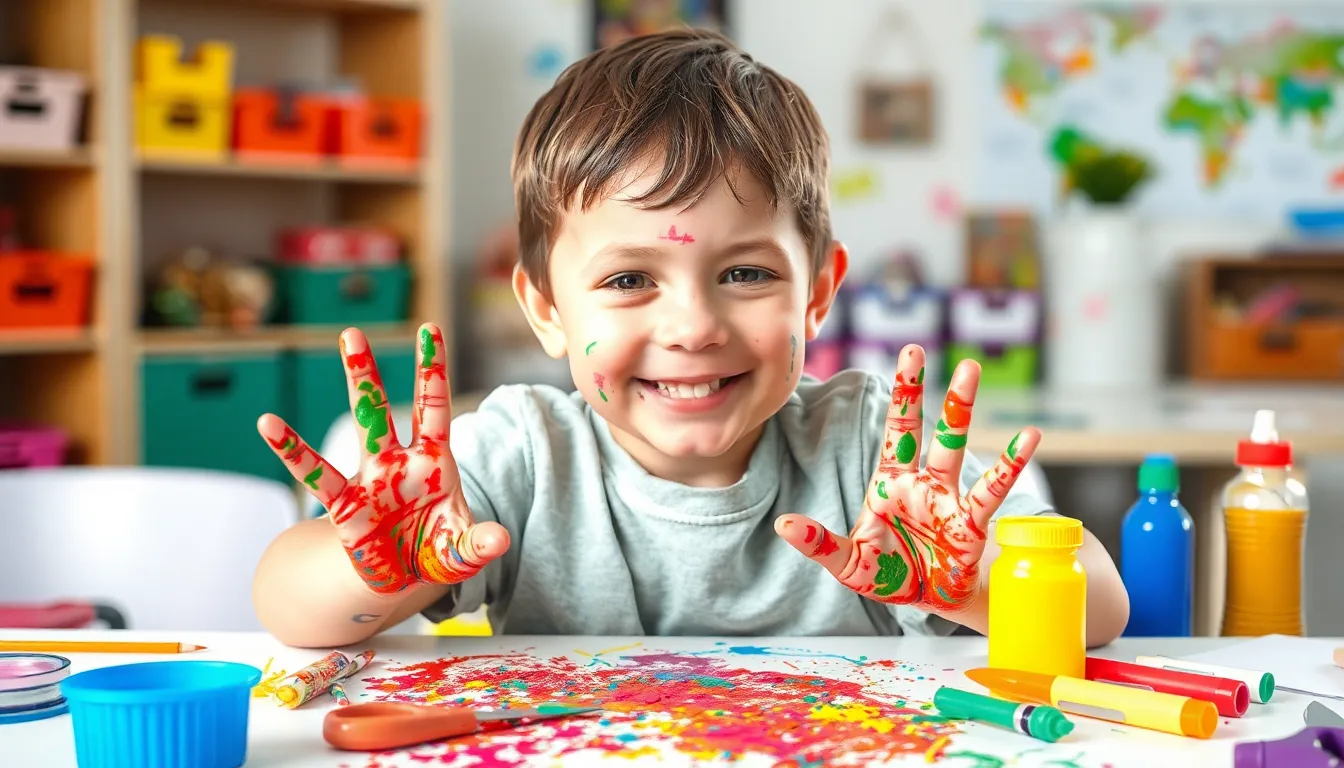
Crafting offers numerous advantages for preschoolers, ranging from creativity to skill development. Engaging in these activities supports overall growth and learning in a fun environment.
Enhancing Creativity
Creative expression emerges through craft projects. Children explore diverse materials, leading to imaginative outcomes. Each piece represents their unique ideas, fostering self-confidence. Experimentation with colors and shapes encourages innovative thinking. Messy hands and colorful messes become a pathway to artistic freedom. Collaborative projects develop social skills, as kids share ideas while creating together. Each finished product reflects individual talent, motivating them to continue exploring creativity.
Developing Fine Motor Skills
Fine motor skills are crucial for early development. Crafting activities strengthen hand-eye coordination as children manipulate various tools and materials. They learn to grip scissors, paintbrushes, and glue sticks, enhancing dexterity. Each cut, brushstroke, or fold requires concentration and precision. Crafting also promotes problem-solving skills as kids navigate challenges during projects. These activities set a foundation for future writing and drawing tasks. As they engage with crafts, they build essential skills for everyday activities.
Simple Earth Day Craft Ideas
Crafting celebrates Earth Day and provides enjoyable ways for preschoolers to learn about the environment. Engaging in hands-on activities enhances creativity and fosters a love for nature.
Nature Collages
Nature collages offer preschoolers a fun way to explore the outdoors. Collecting leaves, flowers, and twigs during a nature walk gives young children a chance to observe various textures and colors. After gathering materials, kids can glue them onto cardstock or canvas, creating unique pieces of art. This project encourages creativity and promotes a connection with nature. Children experience the beauty of their surroundings while developing fine motor skills as they handle the natural objects.
Recycled Art Projects
Recycled art projects turn everyday waste into imaginative creations. Empty containers, cardboard boxes, and paper scraps form the basis for innovative crafts. For example, children can transform used plastic bottles into colorful planters by painting and adding soil and seeds. This activity not only teaches about recycling but also instills a sense of responsibility for caring for the planet. Another idea includes making sculptures from old magazines or newspapers, allowing kids to express themselves artistically while understanding the value of reusing materials.
Tips for Successful Craft Sessions
Craft sessions are most effective when well-prepared and engaging. Focusing on organization and interaction creates a joyful atmosphere for preschoolers to explore their creativity.
Gathering Supplies
Collecting materials significantly impacts the success of crafting. Choose items like recycled paper, empty containers, and natural elements to foster creativity and sustainability. Keeping supplies organized allows for quick access during crafting sessions. Setting up designated crafting areas minimizes mess and distraction. Having scissors, glue, and non-toxic paint readily available enhances the crafting experience. Encouraging children to contribute to supply selection builds excitement and ownership of their projects.
Keeping Kids Engaged
Maintaining interest is vital for a successful craft session. Incorporate stories about the Earth or nature to inspire creativity. Switching activities frequently helps prevent boredom and keeps attention focused. Allowing children to express their unique ideas promotes individuality. Offering praise for their efforts boosts confidence and motivation. Creating a sense of accomplishment through completed projects encourages continued engagement. Finally, involving sensory experiences, like exploring textures and colors, deepens connection to the craft and reinforces learning.
Engaging preschoolers in Earth Day crafts not only sparks their creativity but also nurtures a sense of responsibility toward the environment. These hands-on activities provide a platform for young children to explore the concept of sustainability in a fun and interactive way.
Through crafting, they learn valuable lessons about recycling and the importance of caring for the planet while developing essential skills. The joy of transforming everyday items into art fosters a connection to nature and encourages imaginative play.
As parents and educators embrace these projects, they’re setting the stage for a generation that values creativity and environmental stewardship. The simple act of crafting can lead to profound impacts on children’s understanding of the world around them.