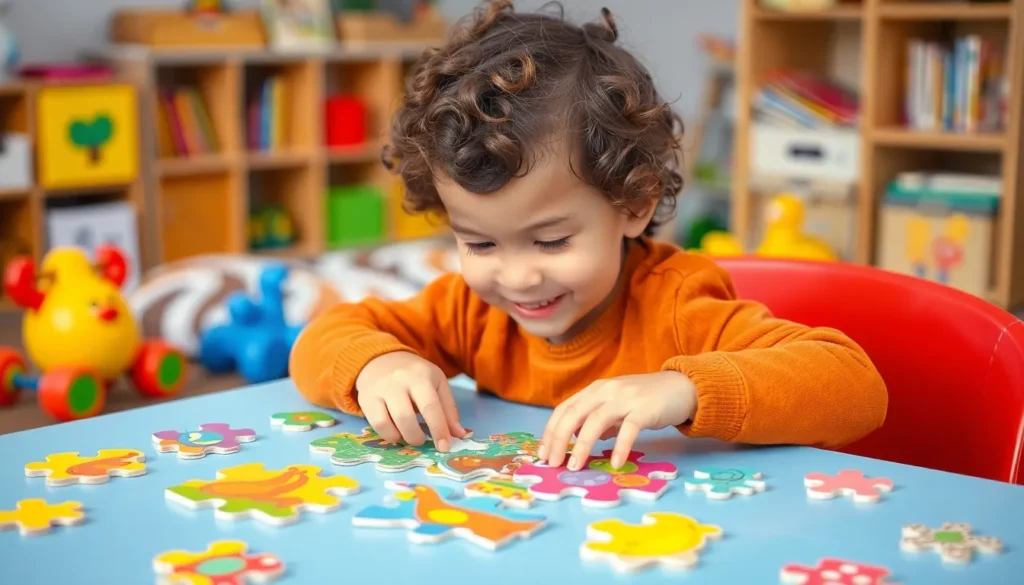
Puzzles are like magic keys that unlock the world of learning for preschoolers. They’re not just colorful pieces of cardboard; they’re gateways to critical thinking, problem-solving, and fine motor skills. Imagine a toddler, furrowing their brow in concentration, piecing together a vibrant dinosaur or a friendly puppy. It’s a sight that’ll make any parent’s heart swell with pride—and maybe a little envy at their focus!
The Benefits Of Puzzles For Preschoolers
Puzzles offer numerous advantages for preschoolers, enhancing various aspects of their development. Engaging with puzzles encourages cognitive and motor skills growth, important for early learning.
Cognitive Development
Cognitive development benefits significantly from puzzle activities. Preschoolers sharpen critical thinking and problem-solving skills by analyzing shapes and figuring out piece placements. Successfully completing a puzzle boosts their confidence and encourages a sense of achievement. Engaging in this type of play develops memory as children remember colors and shapes. Collaborative puzzle-solving with peers enhances communication skills, fostering social interaction and teamwork.
Motor Skills Improvement
Motor skills improve as preschoolers manipulate puzzle pieces. Handling small pieces develops fine motor skills, allowing better control and coordination. Children strengthen hand-eye coordination by fitting pieces together and rotating them. Engaging in these activities promotes dexterity, essential for tasks like writing and drawing. Development of these skills lays a foundation for further learning and independent play, contributing to overall physical development.
Types Of Puzzles For Preschoolers
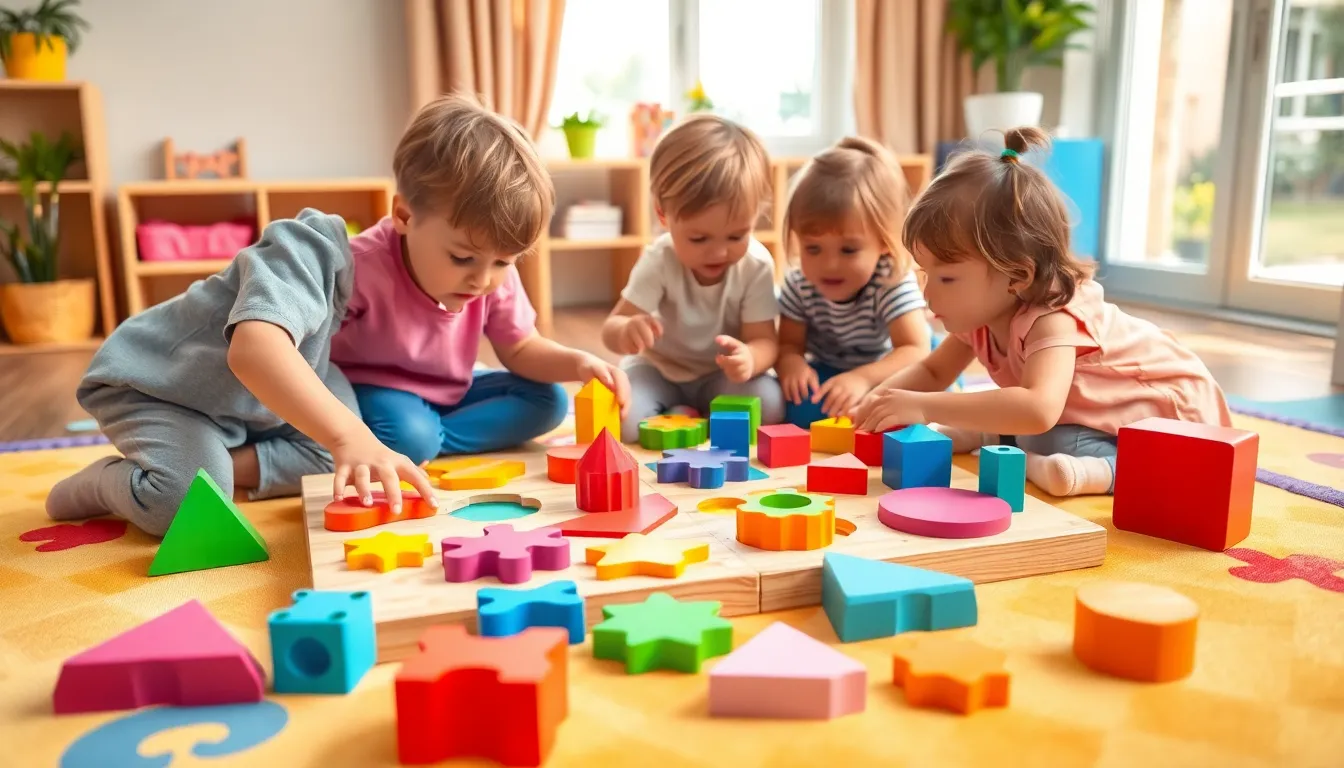
Puzzles for preschoolers come in various forms, each designed to enhance learning and address developmental needs. These categories provide engaging ways to nurture essential skills.
Jigsaw Puzzles
Jigsaw puzzles consist of interconnected pieces that fit together to form a complete picture. Varying in difficulty, these puzzles help improve problem-solving abilities. Preschoolers develop spatial awareness as they search for the right pieces. Engaging with different themes, such as animals or landscapes, keeps their interest alive. Recognizing shapes and patterns boosts cognitive skills. Completing a jigsaw puzzle fosters a sense of accomplishment, reinforcing their confidence and encouraging persistence.
Wooden Puzzles
Wooden puzzles offer durability and ease of use, making them ideal for preschoolers. Crafted from high-quality materials, these puzzles withstand rough handling, enhancing their longevity. Each piece typically features vibrant colors, attracting young children’s attention. Familiarity with different shapes, numbers, or letters occurs as they manipulate the pieces. Wooden puzzles often come with knobs, promoting fine motor skill development. Encouraging independent play, these puzzles also help children understand cause and effect as they learn how pieces fit together.
Shape Sorters
Shape sorters consist of a container with various holes designed for corresponding shapes. These puzzles encourage preschoolers to match shapes, enhancing recognition and categorization skills. Engaging with shape sorters promotes logical thinking as children learn which shapes fit into which spaces. Preschoolers develop fine motor skills while grasping and placing pieces. These toys also introduce basic concepts of geometry and spatial relations. Exciting colors and shapes capture their interest, making learning through play both fun and educational.
Tips For Choosing The Right Puzzle
Selecting the appropriate puzzle for preschoolers involves considering several factors. Parents and caregivers can enhance the puzzle experience by focusing on age appropriateness and complexity level.
Age Appropriateness
Choosing puzzles that match preschoolers’ ages is crucial. Puzzles designed for younger children feature larger pieces and simpler images, making it easier for them to grasp and manipulate. As children grow, they benefit from puzzles with more intricate designs and smaller pieces. Understanding developmental stages helps in finding puzzles that stimulate cognitive and motor skills effectively. For instance, puzzles for ages 2-3 include basic wooden shapes, while ages 4-5 can tackle jigsaw puzzles with 24 pieces or more. Engaging with correctly matched puzzles encourages children’s confidence and fosters an enjoyment for problem-solving.
Complexity Level
Complexity levels of puzzles vary widely, impacting a child’s engagement and learning. Selecting puzzles with varied levels of difficulty helps maintain interest without causing frustration. Beginner puzzles often consist of fewer pieces and simple shapes, while more advanced options include intricate themes and additional pieces. For instance, puzzles with 6-12 pieces suit toddlers, while those with 36 or more cater to older preschoolers. Gradually increasing the complexity keeps children motivated. Additionally, challenging puzzles enhance critical thinking skills and promote perseverance, vital traits for their overall development.
Engaging Preschoolers With Puzzles
Puzzles captivate preschoolers and facilitate learning through play. Engaging them in puzzle activities enhances various skills in enjoyable environments.
Group Play Ideas
Collaborative puzzle-solving encourages teamwork and social skills. Introducing puzzles during group activities fosters communication as children discuss strategies and piece placement. The act of working together on jigsaw puzzles helps preschoolers learn patience and sharing. Utilizing themed puzzles can spark interest and inspire group challenges, making engaging play memorable. Group dynamics also provide opportunities for emotional development as children celebrate achievements together.
Solo Play Options
Solo puzzle play allows preschoolers to develop independence and focus. Selecting age-appropriate puzzles gives them a sense of accomplishment once completed. Encouraging children to choose their puzzles nurtures decision-making skills and boosts confidence. Setting a quiet space for puzzle play also promotes concentration, essential for cognitive growth. As they manipulate pieces, preschoolers improve fine motor skills and hand-eye coordination. Overall, solo puzzle play offers a balanced approach to skill development while keeping children engaged.
Puzzles are invaluable tools for preschoolers’ growth and learning. They not only enhance cognitive and motor skills but also foster important social interactions. Engaging with puzzles allows children to develop critical thinking and problem-solving abilities while boosting their confidence.
Choosing the right puzzles tailored to a child’s developmental stage can make a significant difference in their learning experience. Whether through collaborative play or solo activities, puzzles provide a fun and effective way to nurture essential skills. By incorporating puzzles into playtime, parents and caregivers can create an enriching environment that supports preschoolers’ overall development.