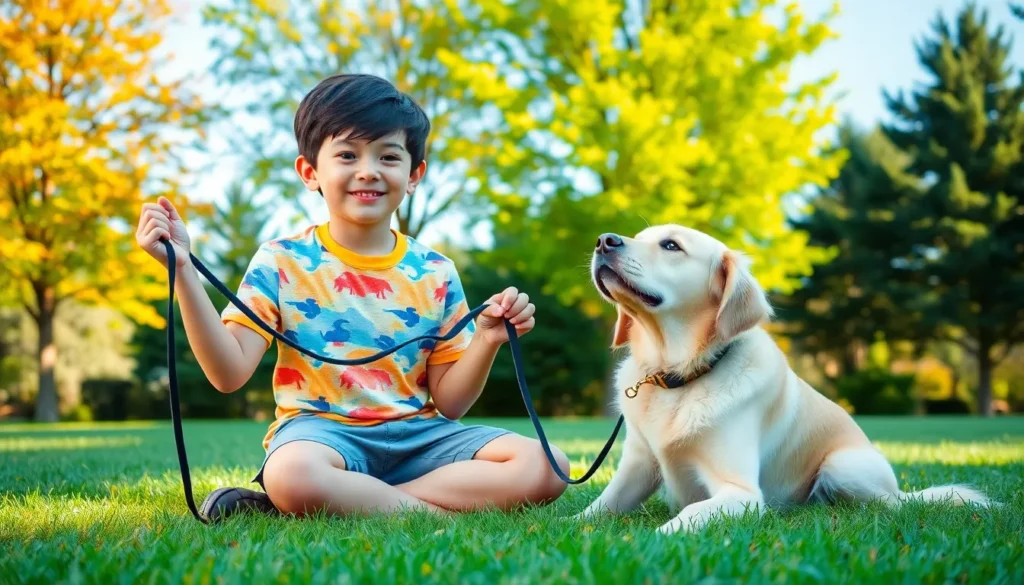
Ever watched a dog roll over on command or seen a toddler throw a tantrum when they don’t get their way? Welcome to the fascinating world of learned behavior! It’s like the brain’s version of a Netflix binge—picking up skills and habits from experiences, observations, and sometimes, sheer necessity.
Learned behaviors aren’t just for pets and kids; they shape how everyone interacts with the world. From mastering a new dance move to figuring out how to avoid that awkward small talk at parties, these behaviors play a crucial role in daily life. So buckle up as we dive into what learned behavior really means, why it matters, and how it influences everything from your morning routine to your social skills.
Defining Learned Behavior
Learned behavior refers to actions or reactions acquired through experience and interactions with the environment. This concept plays a crucial role in shaping an individual’s responses and abilities throughout life.
Characteristics of Learned Behavior
Learned behavior exhibits specific characteristics that distinguish it from innate behaviors. Adaptability marks one feature; individuals adjust their responses based on environmental changes. Furthermore, social influences shape these behaviors, as peer interactions and cultural norms inform actions. Another characteristic is reinforcement; positive or negative feedback from experiences can strengthen or weaken behaviors. Lastly, learned behaviors often involve cognitive processes, requiring mental engagement and memory retention to apply experiences effectively.
Examples of Learned Behavior
Numerous examples illustrate learned behavior in everyday life. Observing a dog responding to a command showcases training and reinforcement in action. Children often learn sharing through specific experiences in social settings, which helps them navigate friendships. Similarly, adults may adopt workplace etiquette based on peer behavior, highlighting the impact of surrounding influences. Additionally, learning to ride a bicycle involves practice, persistence, and feedback, demonstrating a physical manifestation of learned behavior. These examples highlight the broad spectrum of contexts in which learned behaviors develop.
The Process of Learning Behaviors
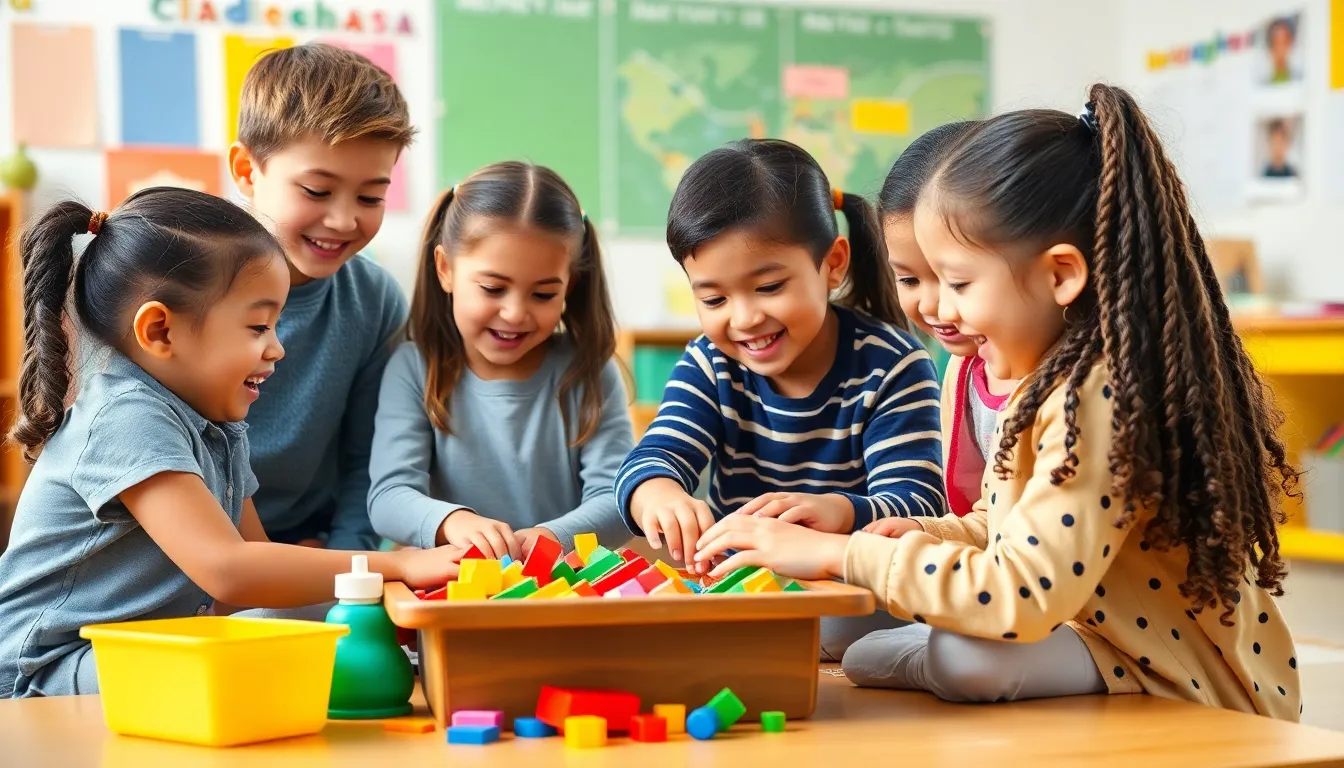
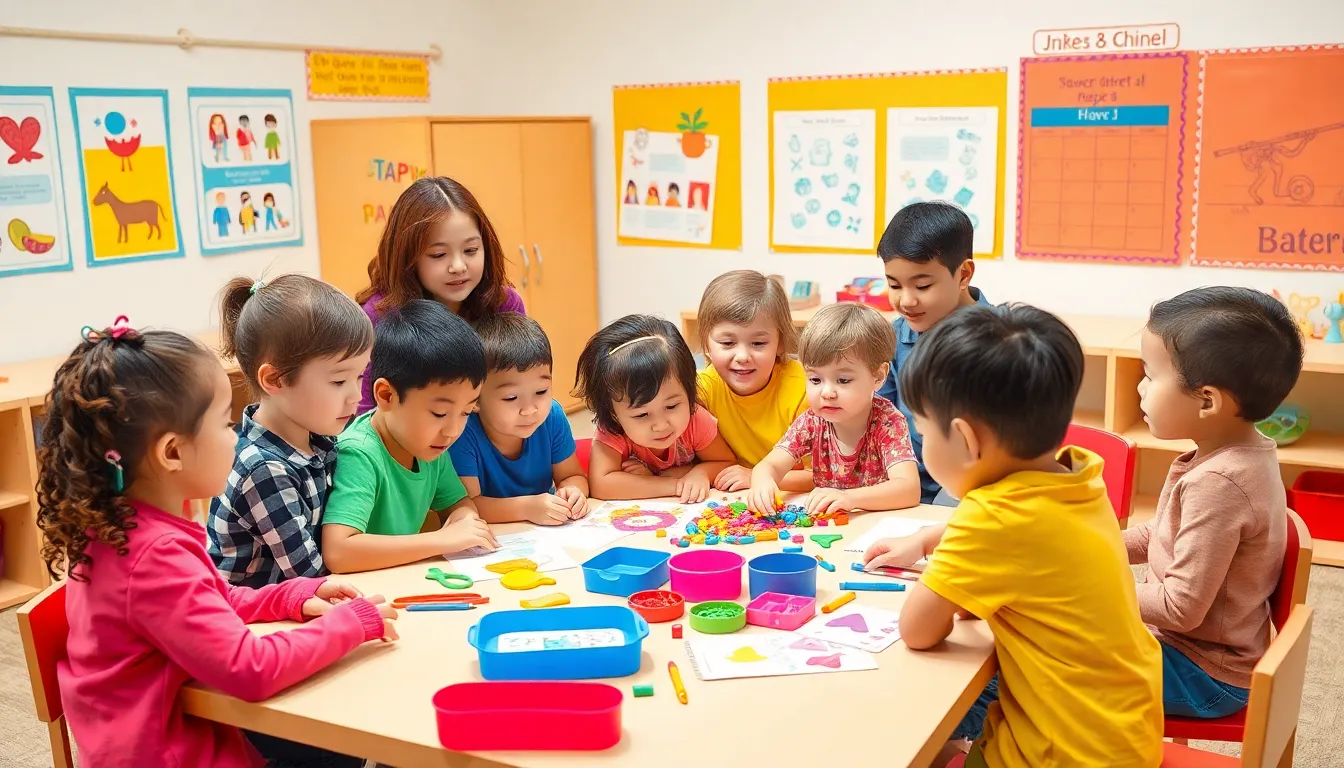
Learning behaviors involve various factors and stages that shape how individuals acquire new actions or reactions. External and internal influences play a significant role in the overall learning process.
Factors Influencing Learning
Environment impacts learning behavior significantly. Social interactions provide models for imitation, leading to the development of specific skills. Reinforcement, such as praise or rewards, encourages repetition of learned behaviors. Cognitive processes also affect how individuals perceive and process information. Age plays a role; children often exhibit a higher capacity for learning through observation. Culture shapes expectations and norms, influencing what behaviors are learned.
Stages of Learning
Acquisition marks the initial stage of learning. During this phase, an individual is exposed to new information or behaviors. Understanding follows, where the individual begins to make connections between actions and outcomes. Application represents the stage where learned behaviors are practiced in various contexts. Mastery occurs when an individual consistently performs behaviors with precision. Feedback loops provide continuous opportunities for improvement throughout each stage.
Types of Learned Behaviors
Learned behaviors can be categorized into different types based on how individuals acquire them. The primary types include classical conditioning and operant conditioning, each playing a distinct role in learning.
Classical Conditioning
Classical conditioning involves associating a neutral stimulus with a significant stimulus to elicit a response. A famous example includes Pavlov’s dogs, where the sound of a bell became linked to food, causing the dogs to salivate upon hearing it. This process illustrates how behaviors can form through repeated pairings. Individuals often experience classical conditioning in everyday situations, such as developing a response to specific sounds or smells. Significant stimuli can influence reactions, showing how environmental factors shape learned behaviors.
Operant Conditioning
Operant conditioning focuses on modifying behavior through reinforcement or punishment. Positive reinforcement, like praise or rewards, increases the likelihood of a behavior being repeated. Conversely, negative reinforcement aims to reduce unwanted behaviors by applying aversive consequences. For example, children who receive rewards for completing homework are likely to continue doing so. This method highlights the role of consequences in shaping behavior choices. Individuals often learn through operant conditioning in schooling or workplace environments, where consistent feedback influences their actions and habits.
Real-Life Applications of Learned Behavior
Learned behaviors manifest in various contexts, significantly influencing both animals and humans.
In Animals
Pets demonstrate learned behaviors in many ways. Dogs often learn commands through repetition and positive reinforcement, responding when asked to sit or stay. Parrots mimic speech and sounds by observing their owners, showcasing imitation as a learned behavior. Furthermore, behaviors like hunting and foraging develop through experience, with animals adapting to their environments based on successful outcomes. Observing other creatures provides insights into social structures, with young animals imitating adults to navigate their surroundings effectively.
In Humans
Humans also engage in numerous learned behaviors throughout their lives. Children learn to share and cooperate during play, developing essential social skills through interaction. Adults adopt workplace etiquette by observing colleagues and receiving feedback, thus refining their professional conduct. Educational settings exemplify this process, with students absorbing knowledge through repetition and practice. Additionally, cultural customs and norms are internalized as individuals grow, illustrating how societal context shapes behavior. Learning to speak a language occurs through immersion and practice, underscoring the relevance of learned behavior in human development.