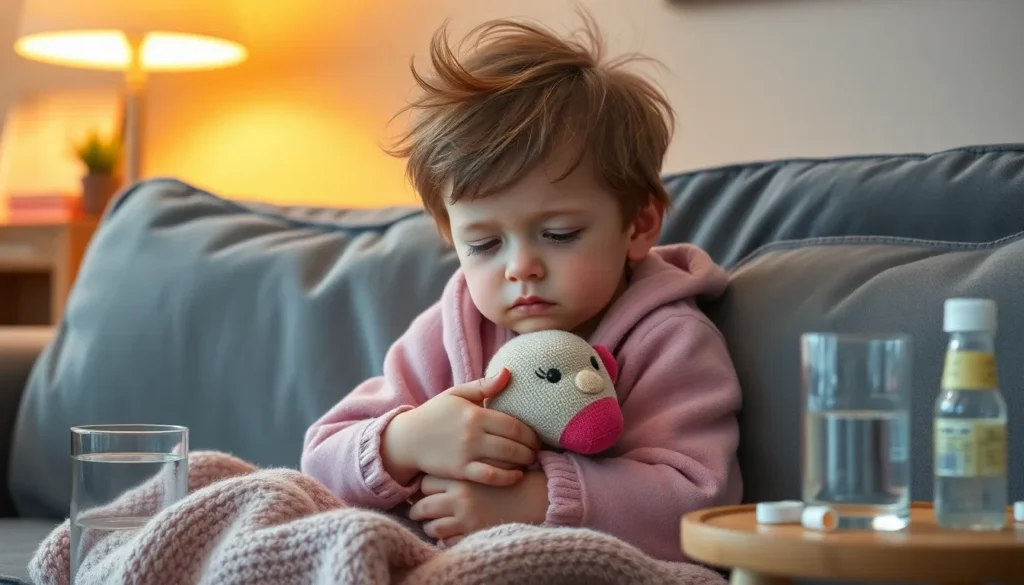
When a child gets sick, it’s like flipping a switch that turns their usual antics into a bizarre episode of a reality show. One moment they’re bouncing off the walls, and the next, they’re channeling their inner couch potato. Parents often find themselves navigating a new landscape of behaviors that can be as puzzling as a jigsaw puzzle with missing pieces.
Understanding these changes is crucial for any caregiver. It’s not just about the sniffles and sneezes; it’s about deciphering the secret language of a little one who’s feeling under the weather. From the sudden desire to wear pajamas 24/7 to unexpected mood swings, these shifts can leave parents scratching their heads. Dive into the top five behavioral changes that signal a child is sick, and arm yourself with insights that can turn panic into patience.
Understanding Changes in Child Behavior
Behavioral changes in a sick child often reflect their physical discomfort. These shifts can provide vital clues for parents and caregivers. A child may become more withdrawn, preferring solitude over playtime with friends. Increased irritability frequently arises, making ordinary interactions challenging.
Changes in appetite are common. Some children eat less, while others may crave specific comfort foods. Sleep patterns can also alter dramatically, with some children sleeping excessively and others unable to rest. Increased clinginess often surfaces, as children seek reassurance during this distressing time.
Parents should remain attentive to these behavioral signals. Sudden changes in mood or energy levels might indicate that an illness is more than just a simple cold. Keeping track of behavioral shifts can guide caregivers in addressing a child’s needs effectively.
Recognizing these signs helps create a supportive environment. Offering comfort and warmth can aid in alleviating a child’s discomfort. Engaging in gentle activities, like reading or drawing, allows for connection without overwhelming an unwell child. Adapting to these changes fosters a nurturing atmosphere during difficult times.
Understanding these fluctuations makes it easier to respond with empathy. Parents can manage their reactions, allowing for a more patient approach. Each behavioral change serves as an important indicator for potential underlying health issues. Being vigilant ensures timely intervention if necessary.
Common Signs of Illness
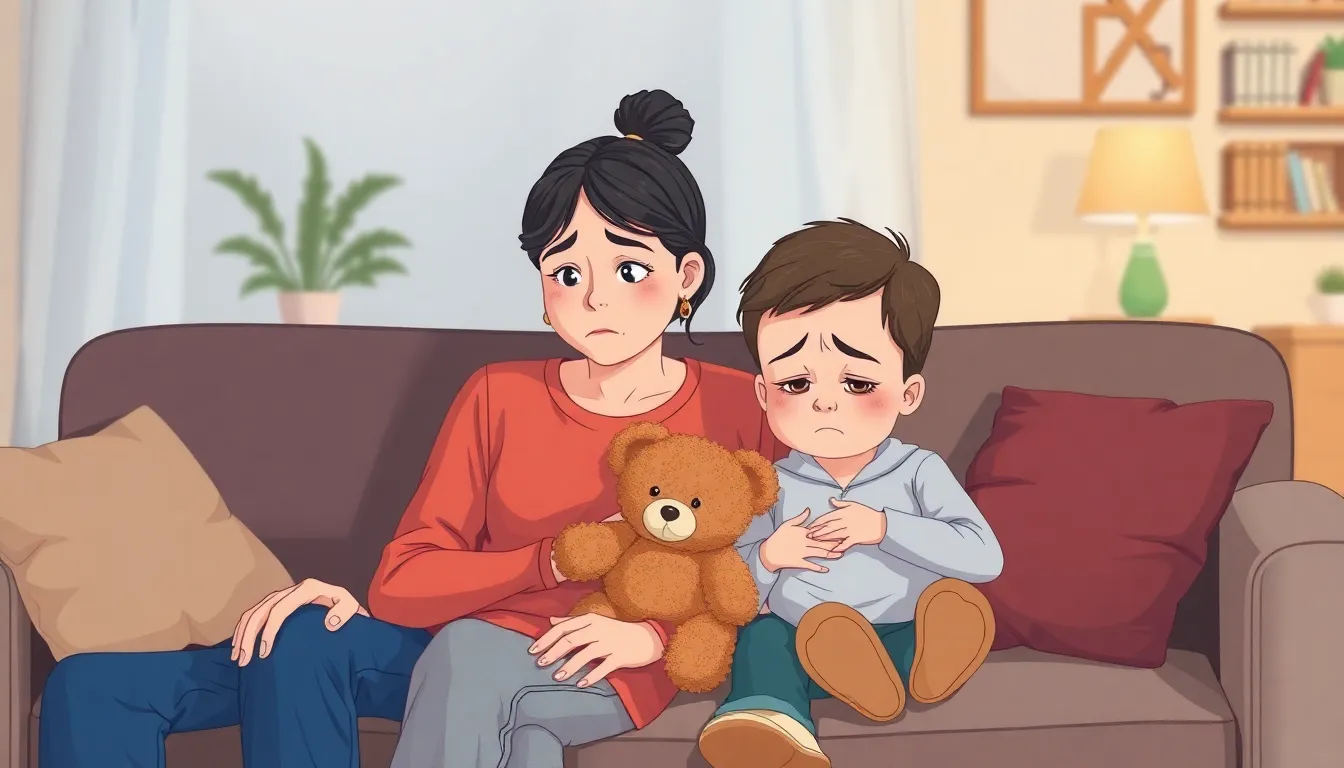
Recognizing the signs of illness in a child involves observing both physical and emotional changes. Awareness of these symptoms ensures timely and appropriate responses.
Physical Symptoms
Children often display visible physical signs when unwell. A persistent cough, runny nose, or fever may emerge, indicating potential illness. Fatigue frequently surfaces, with children exhibiting lower energy levels than usual. Changes in appetite can become apparent, as some may refuse food or prefer only certain items. Vomiting or diarrhea also signals possible infection. Parents should monitor these symptoms closely, as they provide critical insight into a child’s health status.
Emotional Indicators
Emotional shifts can also signal that a child is not feeling well. Increased irritability may occur, often stemming from discomfort or fatigue. Withdrawal from activities or play reflects a child’s struggle with their condition. Clinginess becomes noticeable, as many children seek comfort from caregivers during distress. Sleep disturbances, such as difficulty falling asleep or frequent waking, often appear. These emotional changes highlight the need for caregivers to offer support, fostering a comforting environment.
Behavioral Changes to Watch For
Recognizing behavioral changes in a sick child is crucial for timely intervention. Parents need to be aware of the key indicators that signify illness beyond just physical symptoms.
Increased Irritability
Increased irritability often surfaces as a child feels unwell. They may become easily frustrated or upset over minor issues. Frequent tantrums or outbursts are common during this time, signaling emotional discomfort. Caregivers should note that this behavior stems from their child’s struggle with pain or discomfort. Observing these signs helps parents respond with empathy rather than frustration.
Withdrawal from Activities
Withdrawal from activities is another significant behavioral change. A normally active child may suddenly lose interest in favorite games or hobbies. This withdrawal reflects the child’s attempt to cope with illness. Engaging in previously enjoyed activities might feel overwhelming, prompting them to seek solitude instead. Parents should gently encourage participation in light activities to help ease this transition.
Changes in Sleep Patterns
Changes in sleep patterns frequently occur when a child is ill. Affected children may either sleep excessively or struggle with insomnia. Fever and discomfort can interrupt restful sleep, leading to fatigue during the day. Parents should monitor these shifts, ensuring that their child receives adequate rest. Adjusting bedtime routines may assist in providing a soothing environment for recovery.
Altered Appetite
Altered appetite can also indicate a child’s illness. Reduced desire to eat or drink is common, often linked to discomfort or nausea. Some children may crave particular foods, while others refuse to eat altogether. Caregivers should offer nutritious options and remain patient as their child navigates this change. Understanding that appetites fluctuate during illness is essential for managing expectations.
Regression in Development
Regression in development may manifest when a child falls ill. Skills like potty training or sleeping independently might temporarily decline. Emotional distress can lead to reassurance-seeking behaviors, prompting dependence on parents. The regression serves as a signal that the child is struggling, emphasizing the need for support during recovery. Caregivers can help the child regain confidence by providing comfort and encouragement.
When to Seek Professional Help
Recognizing the signs that a sick child requires professional assistance is crucial. Parents may observe persistent high fever lasting more than three days, which often warrants a doctor’s visit. Difficulty breathing can also signal a serious condition, making immediate evaluation necessary.
Behavioral shifts that include extreme lethargy or confusion should raise concern. If a child shows noticeable discomfort or pain that does not improve with over-the-counter medication, seeking medical advice becomes important.
Sudden rashes or unusual bruising might indicate an underlying issue, thus, professional assessment is essential. Additionally, if a child exhibits symptoms like severe vomiting or diarrhea that lasts longer than 24 hours, dehydration becomes a risk, prompting a call to the pediatrician.
It’s vital to consider any existing health conditions, as they can complicate minor illnesses. For example, children with asthma must receive prompt care if respiratory symptoms worsen. Timeliness in seeking help helps mitigate risks.
Staying observant of both physical and emotional changes also aids in deciding when to consult a healthcare provider. Once a caregiver detects concerning shifts, taking action can prevent more severe complications later on. Caregivers should feel empowered to trust their instincts regarding their child’s health and well-being.
Recognizing behavioral changes in a sick child is crucial for effective caregiving. By staying attuned to signs like irritability, withdrawal, and changes in appetite or sleep, parents can provide the support their child needs. These shifts often reflect underlying discomfort and can guide caregivers in deciding when to seek medical advice.
Creating a nurturing environment during illness helps children feel secure and understood. With patience and empathy, caregivers can navigate this challenging time, ensuring their child’s health and emotional well-being are prioritized. By being observant and proactive, parents can make a significant difference in their child’s recovery process.