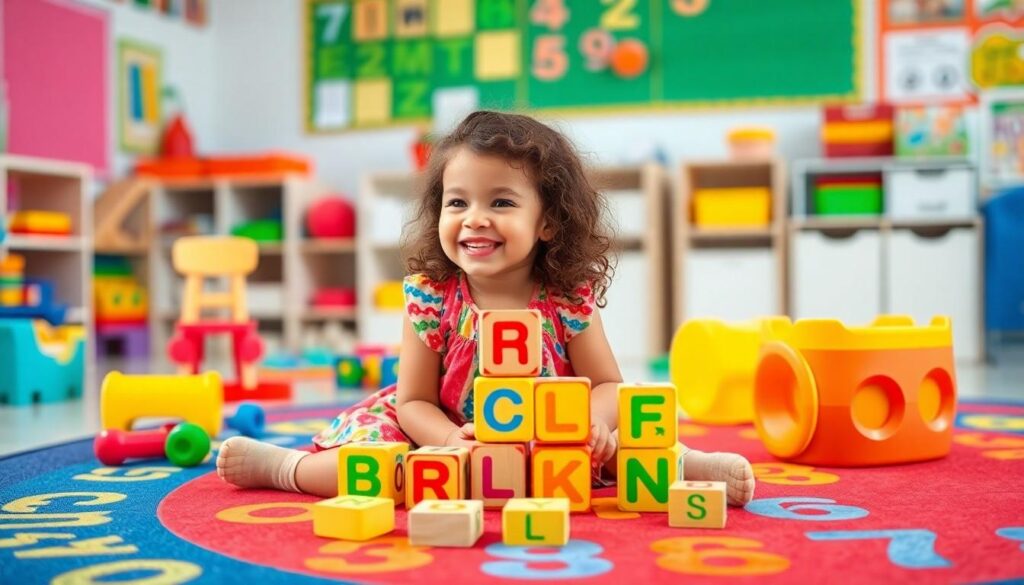
In the whirlwind of preschool life, where crayons fly and giggles echo, language development plays a starring role. It’s not just about stringing words together; it’s about unlocking a world of imagination and communication. Preschoolers are like little sponges, soaking up everything around them, and the right language activities can turn everyday moments into fun learning adventures.
Importance Of Language Activities For Preschoolers
Language activities play a crucial role in the overall development of preschoolers. Engaging in these activities enhances vocabulary and promotes effective communication skills. Preschoolers thrive in environments rich with language, making exposure to new words and concepts vital.
Playing with rhymes and songs fosters phonemic awareness, which is fundamental for reading readiness. Storytelling experiences cultivate imagination while building comprehension skills. Through conversations, children learn to express their thoughts and feelings clearly.
Participating in group activities encourages social interaction and collaboration among peers. These interactions reinforce listening skills and turn-taking, essential components of effective communication. Engaging with books also nurtures a love for reading, establishing a solid foundation for future literacy.
Integrating art and expressive language activities allows preschoolers to connect words with visuals. This approach enhances understanding and retention of new vocabulary. Encouraging creative expression, such as acting out stories, promotes confidence in self-expression.
Exploring language through play creates a joyful learning atmosphere, turning everyday moments into enriching experiences. Regular language activities stimulate cognitive growth, paving the way for academic success. Parents and educators can incorporate simple games and routines to maximize language exposure, ensuring every child flourishes.
Investing time in these activities significantly impacts children’s ability to communicate effectively throughout their lives. Prioritizing language development during preschool years leads to confident, articulate individuals ready for future challenges.
Types Of Language Activities

Language activities for preschoolers come in various forms, each supporting language development in unique ways. Engaging in these activities boosts vocabulary, comprehension, and communication skills.
Storytelling
Storytelling captures children’s attention while enhancing their imagination. Consistent exposure to stories fosters vocabulary expansion and comprehension abilities. By asking questions about the narrative, educators encourage critical thinking and verbal expression. Incorporating props or puppets makes storytelling interactive, further enticing participation. As preschoolers narrate their own stories, they practice structure and sequence while cultivating creativity.
Rhyming Games
Rhyming games strengthen phonemic awareness, a key skill for early reading. Songs and nursery rhymes introduce rhythm and sound patterns, making language fun. Playing games that involve matching words or creating silly rhymes encourages engagement and playful learning. Singing songs together not only builds memories but also allows kids to practice word pronunciation and inflection. Through repetition, preschoolers increase their confidence in language use while enjoying social interaction.
Interactive Reading
Interactive reading turns a passive activity into an engaging experience. Involving children in discussions about the story promotes active participation. Questions related to picture books enhance comprehension and stimulate curiosity. Allowing preschoolers to choose stories encourages ownership of their learning. Adding gestures or actions while reading makes the experience memorable and enjoyable. Using diverse genres exposes children to varied vocabulary and themes, enriching their language skills comprehensively.
Benefits Of Engaging In Language Activities
Language activities offer essential benefits for preschoolers, supporting their overall development. These activities contribute significantly to cognitive growth and enhance social skills.
Cognitive Development
Cognitive development thrives through language activities. Engaging in storytelling enriches vocabulary and comprehension. Rhyming games boost phonemic awareness, an important skill for future reading. Preschoolers learn to categorize and connect ideas during interactive reading sessions. These activities stimulate memory and critical thinking, laying the groundwork for academic success. Repeated exposure to new words allows children to understand and use them in context. Overall, language activities foster a love for learning and encourage curiosity.
Social Skills Enhancement
Social skills improve through group language activities. Collaborative storytelling encourages sharing ideas and active participation. Listening to peers enhances attention and empathy. Turn-taking during games builds patience and respect for others. Engaging in conversations helps preschoolers practice articulation and effective communication. Expressive language activities, such as drama play, promote teamwork and creativity. These interactions not only strengthen relationships but also prepare children for future social settings. Language activities create a dynamic environment for building meaningful connections.
Tips For Implementing Language Activities At Home
Implementing language activities at home can promote effective communication and cognitive development. Parents and caregivers play a vital role in creating a stimulating environment tailored for preschoolers.
Creating A Language-Rich Environment
Creating a language-rich environment involves integrating engaging resources. Bookshelves filled with diverse picture books encourage exploration. Labeling household items with their names fosters word recognition. Daily conversations provide ample opportunities for vocabulary expansion. Encourage storytelling during daily routines, allowing children to express themselves. Singing songs and reciting nursery rhymes enhances phonemic awareness while making learning enjoyable.
Incorporating Play Into Learning
Incorporating play into learning makes language development fun and interactive. Use board games focused on words to reinforce vocabulary skills. Role-playing activities enable preschoolers to practice communication in various contexts. Puppet shows spark creativity and enhance expressive language skills. Dramatic play setups, such as a restaurant or shop, allow children to explore new vocabulary naturally. Engaging in these playful activities supports both social skills and language acquisition.
Language activities for preschoolers play a vital role in shaping their communication skills and cognitive development. By engaging in diverse activities like storytelling and rhyming games, children not only expand their vocabulary but also enhance their comprehension and imagination.
Creating a language-rich environment at home fosters curiosity and encourages a love for reading. Parents and caregivers can make learning enjoyable by incorporating play into these activities. This approach not only supports language development but also nurtures social skills essential for future interactions.
Investing time in these language activities lays a solid foundation for preschoolers, preparing them for academic success and confident communication in their lives ahead.