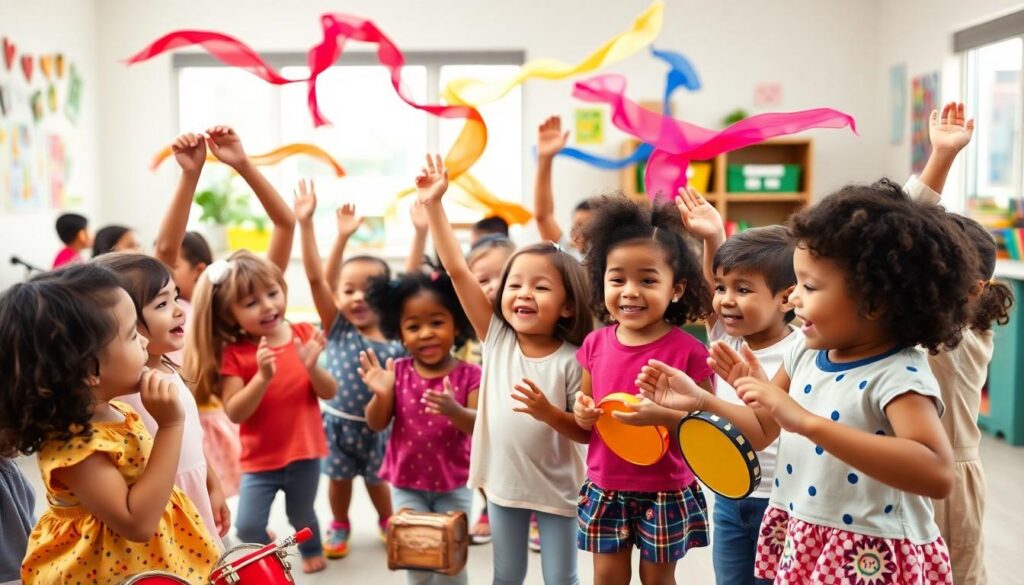
Preschoolers are bundles of energy, and what better way to channel that enthusiasm than through music and movement? These activities not only get little feet tapping but also help develop motor skills and boost creativity. Imagine a room filled with giggles as tiny dancers twirl and sway to their favorite tunes. It’s a win-win!
Incorporating music and movement into a preschooler’s day is like adding sprinkles to ice cream—absolutely essential! From rhythmic clapping to silly dance-offs, these activities keep kids engaged while promoting physical fitness and social skills. So, grab those maracas and let the fun begin! After all, who says learning can’t be a dance party?
Importance Of Music And Movement Activities For Preschoolers
Music and movement activities play a crucial role in preschool development. Engaging with rhythm and dance enhances physical coordination and balance, essential for young children’s motor skills. Creativity flourishes when children express themselves through music. They explore emotions and ideas, contributing to cognitive growth.
Participation in group activities fosters social interaction. Children learn teamwork and communication while moving and dancing together. Confidence builds as they experience success in rhythmic tasks, empowering them in other areas of life.
Physical health benefits arise from active movement. Regular engagement in music-related activities boosts cardiovascular fitness and coordination. Active kids develop healthy habits early, setting the foundation for future wellness.
Cognitive skills receive a significant boost through music. Research indicates that exposure to music improves language development, with children learning new vocabulary during songs. Memory also strengthens as they recall lyrics and movements, enhancing overall brain function.
Emotional growth occurs as children connect with music. Songs often convey feelings, allowing kids to understand and express their emotions. Movement reinforces this connection, making it easier for them to convey how they feel.
Incorporating varied musical styles keeps activities exciting. Exposure to different genres introduces cultural diversity, enriching the learning experience. Engaging with diverse rhythms prompts curiosity and encourages exploration.
Integrating music and movement nurtures holistic development. These activities create an enjoyable atmosphere where children thrive both socially and personally. Prioritizing music and movement in preschool settings promotes a well-rounded approach to education.
Types Of Music And Movement Activities

Engaging preschoolers in music and movement activities fosters creativity and physical development. Various types of activities cater to different interests and skills.
Dance-Based Activities
Dance-based activities encourage children to express themselves through movement. Simple dance routines help improve coordination and rhythm. Children can participate in circle dances or follow the leader games, enhancing their social skills while dancing. Popular children’s songs often provide catchy tunes to inspire spontaneous dancing. Incorporating props like scarves or ribbons adds visual excitement, stimulating engagement and creativity. The movement aspects contribute to cardiovascular health, promoting physical fitness and stamina.
Instrument Exploration
Instrument exploration allows children to discover different sounds and rhythms. Options include simple percussion instruments like tambourines, maracas, and drums. Hands-on experience with various instruments fosters a sense of curiosity in young learners. Group activities can involve making music together, where they learn to follow a beat. Listening to different musical genres exposes them to diverse cultures and styles, enriching their overall learning experience. Playing instruments enhances fine motor skills, as children practice grasping and striking.
Benefits Of Engaging In Music And Movement
Engaging in music and movement activities provides significant advantages for preschoolers. These activities not only entertain children but also contribute to various aspects of their development.
Physical Development
Physical development thrives through music and movement. Enhanced coordination and balance occur as children participate in rhythmic activities. Engaging in dance promotes muscle strength and flexibility, supporting overall physical health. Children develop gross motor skills through actions like jumping, stomping, or skipping, leading to greater control over their bodies. Daily participation fosters healthy habits, improving cardiovascular fitness. In essence, dynamic movement nurtures preschoolers’ physical abilities.
Cognitive Development
Cognitive development benefits greatly from music and movement. Exposure to rhythmic sounds enhances children’s memory and language skills. Engaging in song lyrics and melodies encourages vocabulary growth as they sing along and learn new words. Problem-solving skills develop when children follow complex movements or explore various instruments. Rhythmic patterns challenge them to think critically and build attentiveness. Overall, these activities stimulate intellectual curiosity, enriching the preschool learning experience.
Social And Emotional Growth
Social and emotional growth emerges through collaborative music and movement activities. Participating in group dances fosters teamwork and communication as children work together. Experiencing a sense of belonging during these activities boosts self-esteem and confidence. Music often serves as an emotional outlet, allowing children to express feelings. Engaging with peers also helps them develop empathy and understanding through shared experiences. Consequently, music and movement cultivate a supportive community where preschoolers thrive emotionally.
Tips For Implementing Activities At Home
Creating an engaging atmosphere encourages participation in music and movement activities. Parents can transform their space into a dynamic setting by using colorful decorations and ample room for movement. Incorporating various props can enhance enjoyment, such as scarves, ribbons, or musical instruments. Setting aside specific times for these activities establishes a routine, making engagement easier. Designating a “dance party” area allows children to unleash their creativity while moving freely.
Choosing the right music sets the tone for movement activities. Select a diverse range of genres to expose preschoolers to different rhythms and styles. Upbeat songs encourage energetic engagement, while calming tunes help with relaxation and focus. Prioritize selections that feature repetitive patterns, as these aid memory and coordination. Using songs familiar to children makes participation more enjoyable, fostering a connection to their favorite tunes.
Incorporating music and movement activities into preschoolers’ routines offers a wealth of benefits that extend far beyond mere entertainment. These engaging experiences not only support physical development but also foster creativity and social skills. By creating an environment rich in rhythm and movement, caregivers can help children thrive emotionally and cognitively.
As preschoolers explore various musical styles and participate in group activities, they build confidence and enhance their ability to communicate. The joy of music and movement cultivates a love for learning that can last a lifetime. Embracing these activities at home or in educational settings ensures that children enjoy a holistic development experience, setting the stage for a bright and active future.