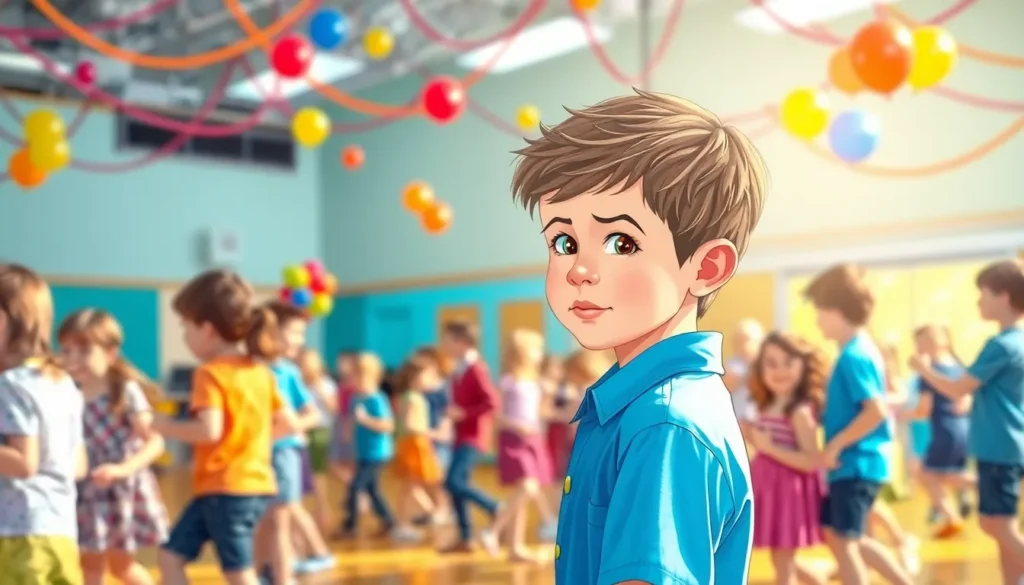
Navigating the social jungle can be tough for shy kids. While some children are natural social butterflies, others may feel more like wallflowers at the school dance. But fear not! With the right tools and a sprinkle of encouragement, those shy kids can blossom into confident communicators.
Understanding Shyness in Children
Shyness affects many children and manifests in various ways. Awareness of its signs and causes aids in supporting shy kids effectively.
Signs of Shyness
Behavior often indicates shyness. A shy child might avoid eye contact or hesitate to speak in group settings. They may prefer solitary activities over social interactions. Sometimes, they’ll appear anxious or uneasy in unfamiliar environments. Observing their body language can reveal their level of comfort. Look for fidgeting, with crossed arms or head down as signs of discomfort. Withdrawal from playdates or group activities highlights a tendency towards shyness as well.
Causes of Shyness
Several factors contribute to a child’s shyness. Genetics plays a role, as some children inherit predispositions towards social anxiety. Additionally, personality traits influence behavior; introverted kids often feel more reserved. Early experiences can shape social skills; negative interactions can reinforce feelings of insecurity. Environmental factors, such as parenting styles or cultural expectations, also impact a child’s comfort in social settings. Understanding these causes helps caregivers provide better support.
The Importance of Social Skills
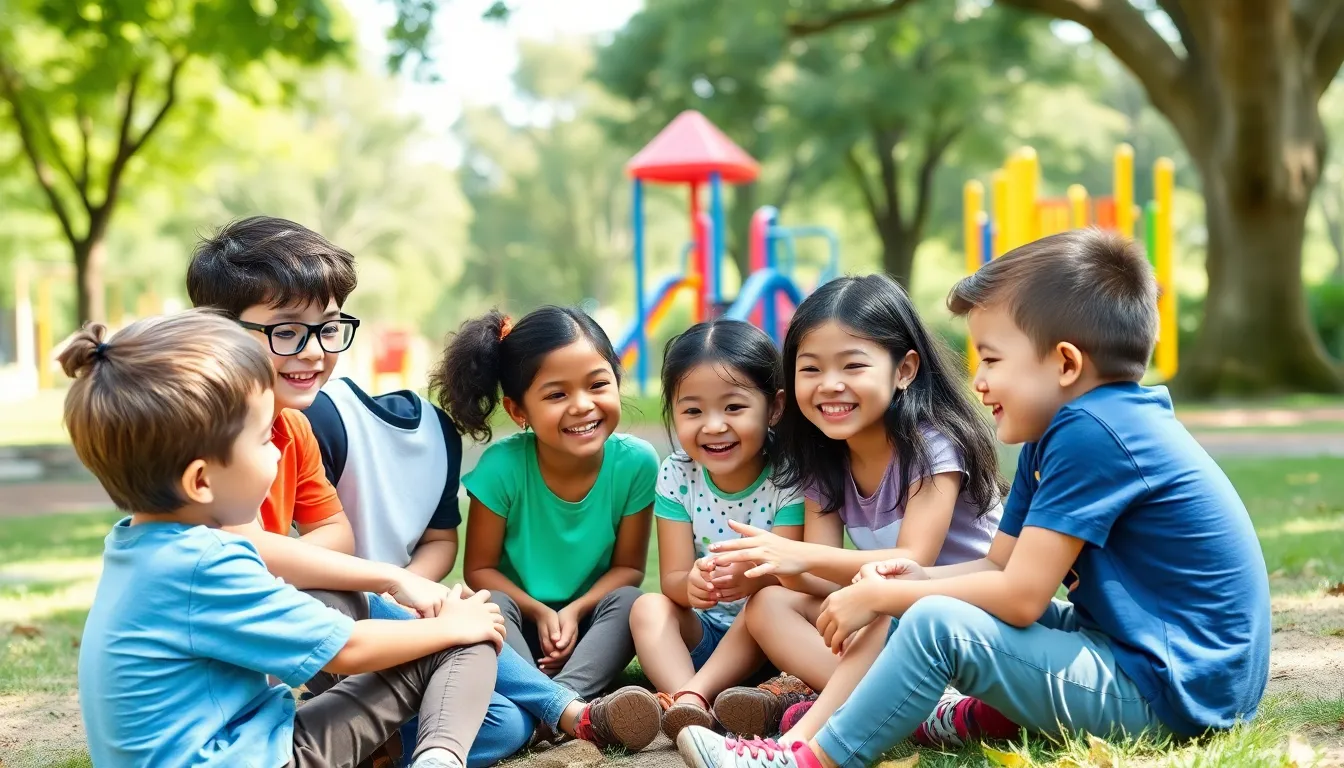
Social skills play a crucial role in the development of shy children. These skills help them navigate interactions effectively, build relationships, and foster self-confidence.
Benefits of Developing Social Skills
Developing social skills yields numerous benefits for shy kids. Positive interaction with peers increases acceptance within social circles. Enhanced communication abilities lead to better expression of thoughts and feelings. Participation in group activities encourages teamwork and collaboration. These experiences cultivate a sense of belonging, reducing feelings of isolation. As shy kids practice these skills, they likely experience improved emotional well-being and greater resilience in social environments.
Impact on Academic and Personal Growth
Social skills significantly influence academic and personal growth. In educational settings, effective communication enhances participation in discussions, fostering deeper understanding and collaboration on projects. Strong social connections facilitate emotional support, aiding mental health and motivation. Outside the classroom, friendships built through social skills contribute to greater life satisfaction. Engagement in social activities leads to more opportunities for learning and personal development, helping shy children thrive in various aspects of life.
Strategies to Improve Social Skills for Shy Kids
Developing social skills in shy kids involves various strategies that boost their confidence and encourage interaction. These tactics create a supportive environment as children navigate social situations.
Encouraging Participation in Group Activities
Involvement in group activities significantly enhances social skills. Parents can start by introducing shy children to smaller groups where they feel comfortable. Choosing activities that align with the child’s interests, like sports, art, or games, encourages participation. Gradually increasing the size of the group fosters a sense of belonging. Notable benefits include improved interaction with peers and building friendships. Celebrating small wins, such as initiating a conversation or joining a game, reinforces positive experiences.
Role-Playing Scenarios
Using role-playing scenarios effectively helps shy kids practice social interactions. Parents can create fun situations that mimic real-life experiences, such as meeting new friends or asking for help. Engaging in these activities at home allows children to experiment with different responses without pressure. Parents should encourage them to try various approaches and discuss their feelings afterward. Reinforcing successful attempts builds confidence. Regular practice leads to increased comfort in actual social settings, making interactions seem less daunting.
Tools and Resources for Parents and Educators
Parents and educators can utilize various tools and resources to support the development of social skills in shy children.
Recommended Books and Games
Books tailored to shy kids often offer practical strategies for initiating conversations and making friends. Titles like “The Social Skills Picture Book” provide visual cues, helping children understand social interactions. Games that encourage communication, such as “Werewolf” or “Charades,” promote interaction in an engaging way. Board games that require teamwork, like “Codenames,” boost social skills during play. Pursuing these resources creates a fun environment for kids to practice and build confidence in social settings.
Workshops and Support Groups
Workshops focusing on social skills offer hands-on experience for shy children. Local community centers often host programs designed to teach essential communication techniques. Support groups for parents provide networking opportunities and shared strategies for fostering their children’s social skills. These gatherings allow parents to exchange experiences and advice on navigating challenges. Participating in such groups can offer vital encouragement to both children and caregivers, reinforcing the development of confidence in various social situations.
Supporting shy kids in developing social skills is crucial for their overall growth. With the right guidance and encouragement, these children can transform their hesitance into confidence. By engaging in group activities and celebrating small victories, they can gradually learn to navigate social interactions with ease.
Resources like tailored books and interactive games can make the learning process enjoyable. Workshops and support groups also provide valuable opportunities for both kids and parents to connect and share experiences. As shy children gain social skills, they not only enhance their ability to communicate but also build lasting relationships, paving the way for a brighter future.