Navigating the whirlwind of preschool milestones can feel like trying to teach a cat to fetch. One moment they’re mastering the art of sharing, and the next, they’re convinced that wearing a superhero cape to the grocery store is a must. These early years are packed with growth and learning, and understanding these milestones is crucial for parents and caregivers alike.
From those first wobbly steps toward independence to the joyous chaos of group play, each milestone is a triumph worth celebrating. Not only do they lay the foundation for future learning, but they also create unforgettable memories (and maybe a few funny stories). Join the adventure of tracking these delightful developments and discover how to support little ones on their journey to becoming confident, curious, and capable individuals.
Understanding Preschool Milestones
Milestones in preschool development typically occur in several domains, including cognitive, social-emotional, physical, and language skills. Parents and caregivers play a crucial role in recognizing these milestones, as they signal healthy progress and areas needing support.
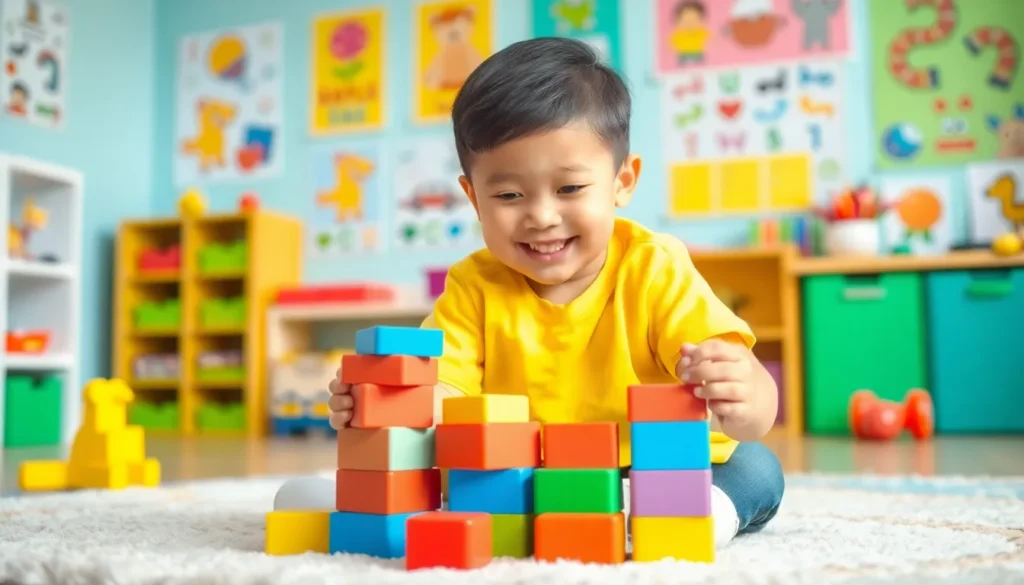
Children generally reach cognitive milestones by exploring, problem-solving, and engaging in imaginative play. Activities like building with blocks or drawing with crayons foster creativity and critical thinking, enhancing cognitive skills.
Social-emotional development includes forming relationships, learning to share, and understanding feelings. Preschoolers often master these skills as they interact with peers, navigating friendships and conflicts. Encouragement during these interactions aids in developing empathy and cooperation.
Physical milestones involve both gross and fine motor skills. Running, jumping, and climbing reflect gross motor development, while skills like cutting with scissors and tying shoelaces illustrate fine motor advancement. These activities strengthen the body and improve hand-eye coordination.
Language milestones encompass speaking, listening, and comprehension. A child’s vocabulary typically expands significantly during these years, moving from single words to short sentences. Engaging in storytelling and reading together enhances language development.
Tracking milestones helps identify strengths and areas for improvement. Timely intervention, if needed, supports optimal growth. Celebrating achieved milestones fosters a positive environment, reinforcing a child’s confidence and eagerness to learn.
Key Developmental Areas
Preschoolers achieve significant milestones across multiple areas of development. Recognizing these key domains helps parents and caregivers support their growth effectively.
Cognitive Development
Cognitive skills expand as preschoolers engage in imaginative play and exploration. Problem-solving abilities strengthen when children manipulate objects or follow simple instructions. Memory improves through storytelling and games that encourage recall of sequences. Preschoolers also begin to understand basic concepts such as numbers and shapes through hands-on activities. Playing with puzzles can enhance spatial awareness and logical thinking. These experiences lay the foundation for later academic success.
Social and Emotional Development
Forming relationships is crucial during this stage. Preschoolers learn to share and take turns, which fosters social skills. Emotional regulation develops as they interact with peers and adults. These interactions help them recognize and express their feelings. Additionally, participating in group activities promotes teamwork and cooperation. Positive reinforcement during playtime builds their self-esteem and confidence. Experiencing these social dynamics aids in forming healthy relationships in the future.
Physical Development
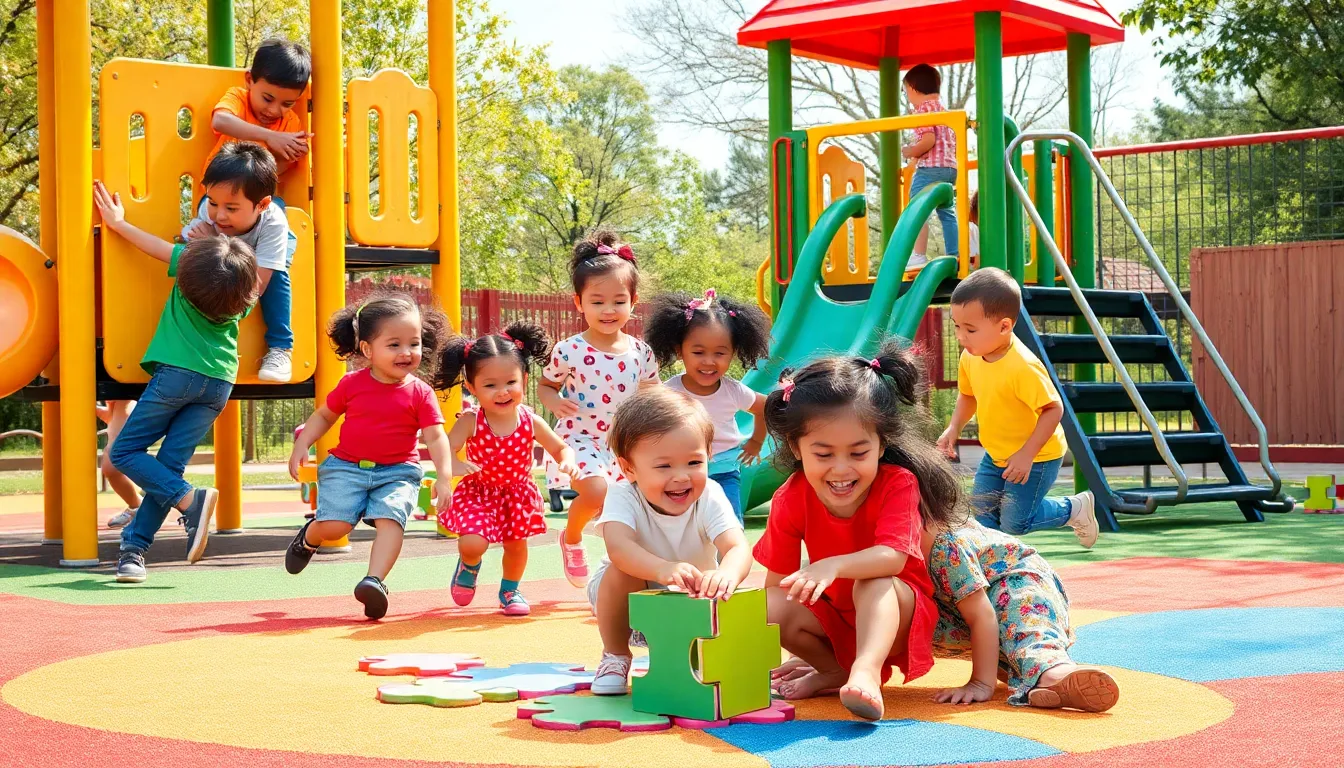
Physical milestones include mastering both gross and fine motor skills. Children develop coordination through activities like running, jumping, and climbing. Engaging in crafts like cutting and drawing enhances their hand-eye coordination. Balance improves with practice on playground equipment, such as slides and swings. Regular physical activity contributes to overall health and fitness, setting the stage for an active lifestyle. These skills are critical in encouraging independence in various tasks.
Language Development
Language skills grow rapidly in preschoolers. Vocabulary expands significantly, as they learn new words through conversation and books. Listening to stories enhances their comprehension and narrative skills. Clarity in speech becomes more apparent as they practice pronunciation and sentence structure. Encouraging children to express thoughts verbally promotes confidence in communication. Engaging in songs and rhymes further reinforces phonetic awareness and rhythm, essential for literacy development.
Tracking Progress
Tracking preschool milestones boosts understanding of a child’s development. Monitoring growth helps to celebrate successes and identify areas needing support.
Methods for Assessment
Utilizing various assessment methods enhances observation of milestones. Checklists offer structured ways to document skills within cognitive, social-emotional, physical, and language domains. Observational notes provide context on how children interact and explore. Parent interviews gather insights into behaviors at home, revealing additional learning contexts. Standardized tests measure specific skills against established benchmarks. Each assessment method offers different perspectives on a child’s progress, fostering a comprehensive view of development.
Parental Involvement
Active parental involvement significantly influences a child’s growth. Engaging in daily activities encourages natural learning opportunities. Reading together promotes language skills while fostering emotional bonds. Parents can share experiences with peers, enhancing social skills through playdates. Consistent communication with teachers helps address concerns early, ensuring timely support. Attending workshops or parenting groups provides skills and strategies for developmental engagement. Collaborative efforts between home and school create a cohesive environment that nurtures a child’s overall development.
Challenges and Support
Supporting preschoolers involves recognizing the challenges they face while reaching developmental milestones. Being aware of common hurdles helps parents and caregivers intervene appropriately.
Common Milestones Missed
Many preschoolers may struggle with specific milestones. Social skills, such as taking turns or sharing, often pose challenges. Language development may lag, resulting in limited vocabulary. Motor skills, like using scissors or throwing a ball, can also be difficult for some children. These gaps in development signal potential areas needing additional support. Identifying these missed milestones early can lead to targeted strategies to enhance growth and learning.
Resources for Support
Numerous resources exist to aid parents and caregivers. Local early childhood programs often provide valuable guidance and workshops. Online platforms offer access to educational games and learning activities designed for preschoolers. Pediatricians regularly assess children’s development and can recommend specialists if needed. Support groups also connect families to share experiences and advice. Utilizing these resources fosters a strong foundation for children’s development and encourages continuous learning.
Recognizing and celebrating preschool milestones is essential for fostering a child’s growth and development. Each achievement not only marks a step forward but also builds a foundation for future learning and social interactions. By understanding the various domains of development, parents and caregivers can provide the necessary support and encouragement.
It’s crucial to stay attuned to both successes and challenges during this stage. Early intervention, when needed, can make a significant difference in a child’s progress. With the right resources and a nurturing environment, preschoolers can thrive and develop into confident learners. Engaging in this journey together ensures that children are well-equipped for the adventures ahead.