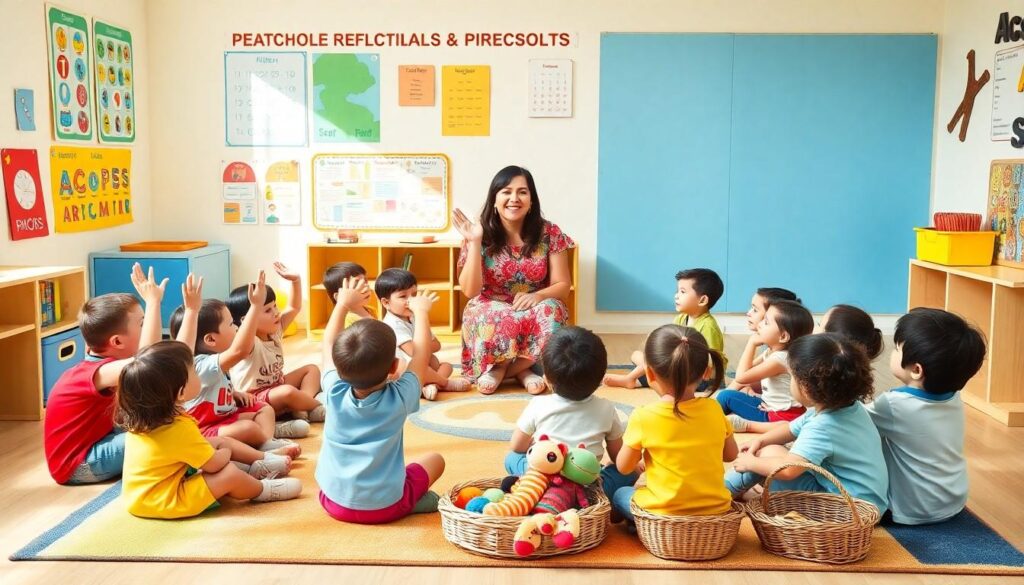
Circle time isn’t just a cozy gathering; it’s the magical moment when little minds come alive! Picture a group of eager preschoolers, eyes wide and giggles ready to escape. This is where learning transforms into an adventure and every story feels like a thrilling quest.
Importance Of Circle Time Activities For Preschoolers
Circle time activities play a vital role in a preschooler’s development. These structured gatherings enhance various skills critical for early childhood learning.
Social Skill Development
Interaction during circle time enhances social skills. Children share stories and ideas, fostering communication. Engaging with peers builds listening abilities. They learn to take turns while speaking, promoting respect for others. Additionally, collaborative games cultivate teamwork. Each activity encourages cooperation, further strengthening friendships. Young children gain confidence as they express themselves in a group setting.
Emotional Growth
Emotional growth benefits significantly from circle time. Recognizing and discussing feelings occurs regularly during this time. Children learn vocabulary to articulate their emotions. Sharing experiences helps them connect with others empathetically. The supportive environment nurtures self-esteem. Engaging in group discussions teaches resilience while navigating disagreements. This process aids in developing coping strategies, crucial for emotional regulation.
Types Of Circle Time Activities

Circle time activities offer a variety of engaging options that enhance learning and development for preschoolers. Each activity caters to different skills, helping young children grow in numerous ways.
Storytelling Sessions
Storytelling sessions capture children’s imaginations while promoting language development. Teachers can use picture books, puppets, or props to engage preschoolers during these sessions. Involving children by asking questions encourages participation and critical thinking. Moreover, storytelling aids comprehension and memory retention.
Songs and Chants
Songs and chants create an enjoyable atmosphere while supporting literacy and language skills. Repetitive lyrics and melodies make it easier for preschoolers to learn new vocabulary and practice rhythm. Engaging children through action songs or interactive chants aids in physical coordination and listening skills. Incorporating themes related to seasons or holidays enriches the learning experience even further.
Tips For Effective Circle Time
Effective circle time creates a dynamic learning environment. Focus on maintaining children’s attention and promoting participation.
Setting The Environment
Arranging the circle space encourages interaction. Use colorful rugs or mats to define the circle area, making it visually inviting. Seating should be comfortable to keep children engaged throughout the session. Minimize distractions, such as bright lights or noisy environments, while also ensuring necessary materials are within reach. Incorporate visual aids, like charts or puppets, to enhance the learning experience. An inviting setup fosters enthusiasm for learning.
Engaging All Children
Fostering inclusivity requires varied activities that appeal to different interests. Use open-ended questions to encourage input from all children. Rotate roles, such as leader and helper, to give each child a voice. Incorporate movement during activities, which keeps energy levels high. Use diverse teaching methods, such as storytelling, singing or hands-on opportunities, to cater to multiple learning styles. Tailoring activities helps maintain engagement, ensuring every child benefits from circle time.
Challenges And Solutions
Managing a preschool circle time poses unique challenges. Addressing the varying developmental stages among preschoolers becomes essential. Engaging younger children within the group requires careful activity selection. Older preschoolers might seek more complex tasks, making skill differentiation crucial. Tailoring activities for mixed-age groups ensures every child feels included. For instance, using stories with layered comprehension allows for engagement with all ages. Structure can adapt to allow older children to share insights while younger ones explore basic concepts.
Keeping activities interactive plays a significant role in maintaining engagement. Preschoolers thrive on active participation, so incorporating movement can enhance focus. Rotating roles during activities allows each child to contribute, fostering a sense of ownership. Integrating hands-on materials like puppets and manipulatives adds excitement to learning. Utilizing songs and rhymes encourages movement and memory retention. When children can dance or express themselves, they remain engaged longer. Frequent changes in activities help sustain attention and combat restlessness.
Circle time activities are essential for preschoolers’ growth and development. They create a nurturing environment where children can learn social skills and emotional awareness while having fun. These structured gatherings not only enhance language and literacy skills but also foster creativity and teamwork among peers.
By incorporating varied activities and themes, educators can keep circle time dynamic and engaging. This approach ensures that every child has the opportunity to participate and thrive. With thoughtful planning and adaptability, circle time can become a cherished part of the preschool experience, laying a strong foundation for lifelong learning.