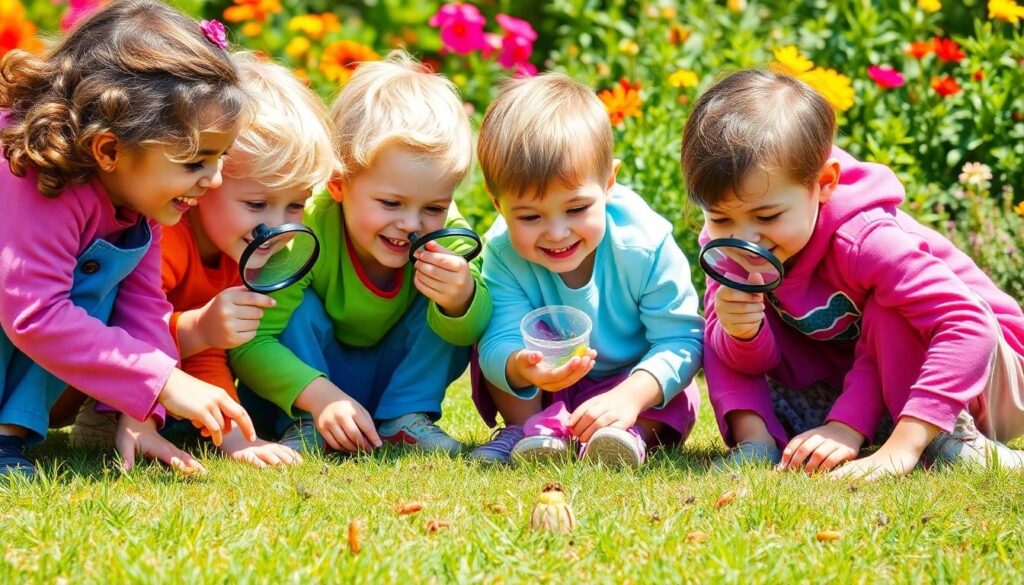
Every little explorer has a budding fascination with the tiny critters that scurry and flutter around them. Bugs might be small but they pack a big punch when it comes to fun and learning! Engaging preschoolers in bug activities not only sparks their curiosity but also nurtures a love for nature. Imagine the joy on their faces as they transform into mini entomologists, armed with magnifying glasses and a sense of adventure.
Importance Of Bug Activities For Preschoolers
Bug activities engage preschoolers in hands-on learning experiences. These activities enhance their observational skills, allowing them to notice details about insects’ appearances and habitats. Additionally, preschoolers gain insight into ecosystems, learning how insects contribute to the environment.
Social skills improve through group activities involving insects. Children often collaborate on bug hunts, sharing findings and discussing their discoveries. Communication naturally develops when they explain their observations to peers or adults.
Cognitive development occurs as preschoolers encounter various insect species. Identifying bugs encourages critical thinking and problem-solving. Engaging with the natural world sparks curiosity, prompting children to ask questions about their surroundings.
Fine motor skills receive a boost through activities involving sorting, drawing, or building insect habitats. Simple tasks such as picking up bugs or using tweezers improve dexterity. Art projects centered on insects further encourage creativity while developing hand-eye coordination.
Emotional growth manifests as children interact with creatures that may initially seem intimidating. Gaining respect and understanding for insects fosters empathy. Preschoolers learn to appreciate all forms of life, nurturing a sense of responsibility toward nature.
Bug activities present numerous educational benefits. They improve social interactions, cognitive skills, fine motor development, and emotional understanding. Engaging preschoolers in bug-related tasks nurtures a lifelong curiosity about the natural world.
Types Of Bug Activities

Engaging preschoolers in bug activities encompasses a variety of fun and educational experiences. These activities foster curiosity and enthusiasm for nature.
Outdoor Exploration
Outdoor exploration allows preschoolers to connect with their environment. Bug hunts offer children the chance to search for insects in gardens, parks, or backyards. Magnifying glasses enhance their observations, encouraging them to examine details closely. Riverbeds, flower beds, and grassy areas serve as rich habitats for various species. Collecting and identifying bugs not only develops their observational skills but also promotes teamwork as they discuss findings with peers. Setting up simple insect traps becomes a hands-on method for understanding insect behavior. Documenting discoveries in bug journals helps reinforce their learning experience.
Indoor Craft Projects
Indoor craft projects offer creative alternatives to outdoor activities. Children can construct bug models using materials like clay, paper, or recycled items. Creating insect habitats with shoe boxes or jars provides insight into the living environments of different species. Painting and decorating these habitats stimulates creativity and fine motor skills. Bug-themed art activities, such as making paper butterflies or beetles, enhance their understanding of insect anatomy. Storytime sessions featuring bug-related books can inspire children’s imaginations, guiding them to create their own bug stories. Engaging in these crafts reinforces the connection between art, science, and play.
Educational Benefits
Engaging in bug activities offers numerous educational benefits for preschoolers, stimulating their interest in nature and science.
Enhancing Curiosity
Insect activities spark a natural curiosity in young children. Exploring the environment reveals the diversity of insect life and invites questions. Investigating different species encourages deeper observation. Encountering bugs in various settings fosters excitement about nature’s wonders. Noticing the distinct habitats and behaviors of insects piques interest, leading to discussed discoveries. Such experiences nurture a lifelong desire to learn about ecosystems and the role of insects within them.
Promoting Motor Skills
Bug-related activities play a significant role in developing fine motor skills. Sorting and categorizing insects require precise hand movements. Crafting bug models and habitats enhances dexterity and creativity. Using tools like magnifying glasses strengthens grip and hand-eye coordination. Drawing insects allows for artistic expression while improving control over writing tools. These activities not only engage children but also support their physical development, building foundational skills important for later tasks.
Safety Considerations
Engaging preschoolers in bug activities requires attention to safety. Supervision remains essential during outdoor explorations to prevent accidents. Instructors or caregivers should monitor children closely to ensure their safety while searching for insects.
Identifying potential hazards is crucial. Bug bites or stings can occur, so it’s important to teach kids to observe insects from a safe distance. Encouraging them to use magnifying glasses without touching the bugs minimizes risks and maintains a hands-off approach.
Selecting appropriate locations for bug hunts also matters. Look for clean, safe environments like parks or gardens. Avoid areas with chemical treatments and potentially dangerous plants to ensure a safe exploration experience.
Educating preschoolers about local insect species enhances safety. Knowledge of harmless insects versus those that might sting or bite allows children to navigate their environment more confidently. Discussing respect for all living creatures fosters empathy while promoting safe interactions with the insect world.
Using safety equipment contributes to protection. Lightweight gloves can be provided for children when handling tools or cultivating bug habitats. Proper footwear is vital during outdoor activities, especially in grassy or uneven terrains.
Lastly, maintaining cleanliness plays a role in safety. Teaching kids to wash their hands after activities helps prevent the spread of germs. Incorporating hand hygiene into bug activities reinforces healthy practices while allowing children to enjoy their exploration.
Engaging preschoolers in bug activities opens up a world of discovery and learning. These experiences not only spark curiosity about nature but also foster essential skills like observation and teamwork. As children explore and interact with insects, they develop a deeper understanding of ecosystems and the role of these creatures within them.
The combination of outdoor exploration and creative indoor projects ensures that learning remains dynamic and fun. By incorporating safety measures and promoting respect for all living beings, caregivers can create a safe environment for children to thrive. Ultimately, bug activities nurture a lifelong passion for nature while equipping young minds with valuable skills for the future.